
How to Outsource Software Development in Brazil Successfully
Top tech companies and skilled talent drive nearshore software development, cost-effective solutions, and innovation in software development Brazil.
Hiring top developers while keeping projects on time and within budget is a constant struggle in tech recruitment. Want to scale a product team without communication gaps, quality issues, or runaway costs? Software development in Brazil offers a strong alternative, with Brazilian developers who bring solid engineering, good English, nearshore time zone overlap, and competitive rates that speed delivery and reduce outsourcing risk. This article outlines clear steps for finding, vetting, and integrating Brazilian software engineers to build high-quality software faster and keep teams aligned.
To help, Noxx offers an AI recruiter that connects you with vetted Brazilian developers and remote teams, matching skills, culture fit, and budget so you hire faster, maintain code quality, and lower outsourcing risk.
Table of Contents
What are the Advantages of Outsourcing Software Development to Brazil?
3 Key Items to Consider When Outsourcing Software Development to Brazil
Upload a Job and Get 10 Candidates within 7 Days with Noxx (No Risk, No Upfront Fees)
Summary
Brazil's developer pool depth shortens hiring time. Brazil has over 1.5 million software developers, enabling teams to shortlist senior and mid-level profiles and cut sourcing time from months to weeks.
Nearshore overlap and English fluency boost day-to-day velocity, require a minimum of three hours overlap, and measure a median response under 4 hours during agreed windows, so blockers get resolved within hours instead of days.
The cost advantage is tangible; hiring in Brazil runs roughly 30% to 50% lower than the US with an average developer salary of around $20,000 per year, freeing budget for QA, design, or additional hires.
Vetting and trials predict on-the-job performance, use graded take-homes, a paired session, GitHub provenance checks, two local references, and a paid 1 to 3 week trial sprint to cut onboarding rework and validate delivery.
Treat Brazil as an operational decision, not just sourcing, compare EOR versus contractor versus subsidiary, model termination costs over 12 and 36 months, and budget for roughly 1 to 2 full-time recruiting weeks per senior hire.
Track 3 Leading Indicators Weekly
Measure success with concrete metrics, track three leading indicators (passing CI per commit, high-severity bugs introduced, average time to resolve clarifying questions) weekly during the first 90 days and run a retrospective at day 30. This is where Noxx's AI recruiter fits in, by delivering a locality-aware shortlist of the top 10 Brazilian candidates in seven days and automating scoring across 40-plus vetting signals to shorten sourcing cycles.
What are the Advantages of Outsourcing Software Development to Brazil?

Brazil is a strong, pragmatic choice for outsourcing software development because it combines deep technical capacity, nearshore collaboration advantages, and a clear cost advantage that improves hiring velocity and delivers predictable outcomes. You gain access to specialized engineers who can work synchronously with U.S. teams, resulting in faster feature cycles and a lower total cost of ownership.
Why Does Brazil’s Developer Pool Shorten Hiring Time?
When you need niche skills fast, depth matters more than attention. Brazil has a robust talent pool with over 1.5 million software developers, enabling faster hiring and access to skilled professionals.
Deep Reservoir Cuts Sourcing Time
This 2023 figure means there is enough breadth across web, mobile, data, and cloud specialties that you can shortlist senior and mid-level profiles without exhausting a small talent pool, which in practice cuts sourcing time from months to weeks for targeted roles. Think of it as a deep reservoir where you can draw specific expertise without draining the whole system.
How Does Time Zone and Culture Affect Day-to-Day Velocity?
You get more than overlap in work hours; you get real-time collaboration. Teams in Brazil operate largely on similar business hours to the U.S. East Coast, which reduces the need for async handoffs and eliminates the jet-lagged meeting problem that stretches bug turnaround times. Add frequent English fluency among tech professionals and a collaborative work culture aligned with agile rituals, and you can resolve blockers within hours rather than days. The result: sprint cadences stay tight, and release risks fall.
What is the Tangible Cost Advantage for Budget-Conscious Teams?
Beyond headline salaries, cost differences allow companies to allocate resources more effectively, extending their runway for product development and enabling hiring flexibility in critical areas. The cost of hiring a software developer in Brazil is approximately 30% lower than in the United States. These savings can significantly enhance operational capacity, leading to better hiring strategies and improved product outcomes.
Shift Savings to QA, Design, and Tooling
The 2023 assessment means your hiring budget goes further, allowing you to either hire more engineers for the same spend or allocate savings to QA, design, and tooling to improve delivery quality. In practice, that shifts contracting decisions from trade-offs between cost and skill to choices about speed and resilience.
How Do You Avoid the Classic Sourcing Mistakes Teams Make?
Most teams default to the same list of outsourcing countries because they are familiar, which is understandable and not wrong. But as projects scale, that familiar route creates hidden costs: fragmented vetting, higher churn, and stretched coordination that quietly inflate timelines and risk. Platforms like Noxx provide a bridge, delivering top‑10 vetted candidates in seven days and analyzing 40-plus signals using regional datasets, thereby compressing sourcing cycles and replacing guesswork with measurable selection criteria, so teams can maintain momentum without sacrificing quality.
Is Quality and Retention Actually Better, or Just Different?
Quality here is a function of education pathways, employer expectations, and regional industry structure. Brazil’s universities and tech clusters produce engineers with real production experience, and companies that hire Brazilian squads often see longer project tenures than in highly transactional markets, which preserves institutional knowledge and reduces rework. I treat that as operational leverage: lower churn converts directly into fewer onboarding hours and more cumulative product expertise.
How Does Brazil Compare to Other Popular Outsourcing Regions?
Brazil stands out when you weigh nearshore convenience, synchronous collaboration, and competitive pricing together. Unlike some distant markets where time, culture, or handoff latency impose a hidden tax on your roadmap, Brazil lets you run faster two-week sprints with engineers who stay on the product and understand Western delivery norms. This combination often yields higher throughput per dollar than more fragmented, high-churn ecosystems. That advantage seems straightforward until you consider the operational choices that determine whether it saves you time and money.
Related Reading
3 Key Items to Consider When Outsourcing Software Development to Brazil

Treat Brazil as an operational decision, not just a sourcing choice: verify employment structure, IP and data protections, payment flows, and retention levers before you sign a contract. If you map those risks to clear clauses, payroll routes, and vetting gates, outsourcing becomes a dependable extension of your team rather than a recurring firefight.
Who Will legally Employ the Developer?
Choose between three paths: engage through an Employer of Record, hire contractors via a local payroll provider, or form a local subsidiary. Each reduces one set of risks while increasing another. EORs buy speed and compliance checks at a steady fee and are best when you want quick, lawful onboarding; subsidiaries lower long-term cost per hire but add ongoing tax, audit, and payroll complexity. Ask potential partners for sample employment contracts, audit reports, and termination-cost scenarios for 12- and 36-month horizons to model worst-case cash outflows.
How Do You Lock Down IP, Confidentiality, and Deliverables?
Don’t accept generic NDA language. Require assignable IP clauses, explicit definitions of deliverables, and a technical handover checklist that triggers final payment. Add a clause requiring the delivery of production-level artifacts—such as deployment scripts, CI configurations, and infrastructure-as-code templates—so you get a runnable system, not just source files. Include escrow or milestone-based payments for critical modules to preserve leverage if a relationship breaks down.
Which Vetting Steps Actually Predict On-the-Job Performance?
Move beyond resume checks. Require a graded take-home that mirrors a real task the hire will face, then validate with a paired session where an engineer from your team watches how the candidate debugged or refactored that work. Combine that with code provenance checks, including GitHub contribution history and at least two local references who can confirm production delivery over 12 months. These signals cut false positives; in practice, adding a paired session reduces onboarding rework by measurable weeks.
How Should You Structure Payments and Currency Risk?
Decide whether you will pay in BRL or USD, and plan for FX swings. If you use local payroll or contractor platforms, verify their payment rails, monthly cutoffs, and refund policies for canceled invoices. Build FX buffers into quarterly budgets and prefer monthly net terms to avoid ballooning liabilities when the currency moves. For large projects, use staged escrow tied to acceptance tests so you limit exposure to both currency and delivery risk.
What Employment Conditions Will Actually Retain Senior Engineers?
Offer clear career paths and localized benefits, such as funded courses, paid conference time, and a small annual equipment stipend. Factor in local holiday closures and long vacation windows into project timelines and sprint planning so deliveries don’t jackknife during predictable downtime. Small, consistent investments in career progression drive retention, preserve product knowledge, and reduce costly rehiring cycles.
How Do Unions, Collective Agreements, and Inspections Change Your Playbook?
Treat collective bargaining rules as part of vendor due diligence. Request copies of any applicable awards and confirm which roles are covered. Maintain robust records of working hours, pay slips, and social security contributions, and schedule quarterly payroll audits if you’re running payroll locally. Local labor authorities can levy retroactive fines that outsize a single hire’s monthly cost, so assume audits are possible.
What Security and Compliance Measures Should Be Nonnegotiable?
Enforce SSO with least-privilege access, mandatory audit logging, encrypted backups, and documented incident response tied to SLAs. Confirm the supplier’s LGPD awareness and practical steps for breach notification and data subject requests. Require annual penetration test reports and a remediation plan timeline in the contract so security is a contractual deliverable, not a vague promise.
Why Budget for Recruiting and Onboarding Differently Than You Do at Home?
Expect to spend roughly one to two full-time recruiting weeks per senior hire on local reference checks, compliance paperwork, and cultural onboarding. Model that time as a direct cost and include specific onboarding milestones in contracts, such as access granted, production test passes, and a 30 day health check that triggers retention bonuses or adjustments.
Scale Increases IP and Liability Risk
Most teams hire through marketplaces because it is fast and familiar, and that makes sense at the pilot stage. But as you scale, fragmented vetting and manual payroll create recurring failures: misclassified contractors, lost IP clauses, and unexpected severance liabilities. Platforms such as Noxx centralize vetting signals and automate routing for approvals, which reduces decision time and cuts the administrative waste that grows with every additional hire.
How Much Depth and Cost Advantage Should Change Your Sourcing Strategy?
Revelo’s 2021 data point that "Brazil has over 1.5 million software developers." reflects an available breadth of skills across regions and specialties that makes targeted, role-specific vetting practical rather than theoretical.
30% to 50% Lower Developer Cost
Take budgeting cues from Revelo’s 2021 estimate that "The cost of hiring a software developer in Brazil is 30% to 50% lower than in the US.", which you should use to reallocate savings into higher-quality vetting, retention, and security rather than simply reducing headcount. Think of integrating a Brazilian team like grafting a mature branch onto an existing tree: the connection needs to be surgically clean, secured, and matched for season, or the branch will not take.
Related Reading
• How Can I Hire Someone From Another Country
• How To Improve The Hiring Process
• Best Sales Recruiting Firms
• Top IT Recruiting Firms
• Software Development Argentina
• Software Development Colombia
• Software Development Mexico
How to Find and Hire Brazilian Software Developers

Start by treating hiring as a sequence you control: search smart, vet precisely, then validate with a short paid sprint before full onboarding. Follow a consistent rubric at every gate and you turn a risky hire into a predictable process.
Where Should I search first?
Start with referrals from teams who shipped similar products in the last 12 months, then tap curated talent marketplaces and specialist agencies for speed. Brazil boasts more than 500,000 software developers, providing a diverse talent pool that allows for quick access to niche skills. However, it's essential to implement effective filters that highlight relevant recent production work while minimizing unrelated results. Use GitHub activity, recent npm or PyPI packages, and a short discovery call to check motivation and availability before you dig deeper.
How Should I Evaluate Portfolios and Technical Skill Reliably?
Use a three-part portfolio check: artifact inspection, explanation, and provenance.
Read the code and deployments for two representative projects, noting modularity, test coverage, and CI configuration.
Ask the candidate to walk you through one project in 20 minutes, explaining tradeoffs and a single hard bug they fixed.
Verify provenance: confirm commit timestamps, pull request histories, and at least one production reference who can speak to deadlines and deliverables. Score each area on a 20/30/50 scale, where production delivery and testability carry half the weight for senior hires.
What Practical Screens Prove Remote and English Readiness?
Give a short written spec exercise that requires clarifying questions, then grade both the clarifying thread and the candidate’s summary email for clarity and timeliness. Add a recorded 5 minute introduction where the candidate explains a past architecture decision; this reveals spoken English and storytelling under pressure.
48-Hour Slack Trial Metrics
For async skills, run a 48-hour Slack trial where you measure response cadence and the ability to resolve blockers without hand-holding. Use concrete thresholds, for example a median response under 4 hours during agreed overlap windows, and flag any failure to ask clarifying questions within the first 12 hours.
Which Interview and Trial Project Structure Predicts On-the-Job Performance?
Begin with a 30-minute culture and process screen, then a 60-minute technical interview that includes a short system design question tied to your stack. Follow with a 60-minute pair-programming session, observed by a senior engineer, to watch real-time debugging and collaboration.
1 to 3 Weeks, Mini Onboarding
If those go well, run a paid 1- to 3-week trial sprint, limited to a single vertical slice of the product, with clear acceptance tests, CI checks, and a code-review rubric. Treat the trial as a miniature onboarding: require a pull request, documentation update, and one bug fix in the same module. Use acceptance gates, not opinions, to decide whether to scale the hire.
How Do I Structure Onboarding and Timezone Expectations Without Adding Friction?
Map a 30/60/90 day checklist before day one: repository access, runbook links, architecture diagrams, one assigned mentor, and measurable goals for each period. Assign a first-week shadowing schedule so the new hire makes three meaningful commits under supervision. For timezone planning, require:
A minimum of three hours overlap with your core team.
Document preferred meeting windows.
Publish a weekly status digest template the hire must fill out.
Think of overlap as a safety net, not a full schedule; the goal is predictable windows when the team can clear blockers quickly. Most teams coordinate sourcing with spreadsheets and ad hoc emails, because it is familiar and requires no new tools. That approach scales poorly as candidates multiply, context fragments, and decisions slip into long email threads, which costs weeks in lost hiring time. Platforms like Noxx centralize vetting signals, deliver a short list of top 10 vetted candidates in seven days, and automate scoring across 40-plus signals, which shortens decision cycles while keeping audit trails intact.
What Contractual and Payment Tactics Reduce Friction After Hire?
Set a paid trial agreement with explicit deliverables and a capped payment for the trial sprint, then convert to either contractor or payroll with predefined milestone payments tied to acceptance tests.
Brazil Developer Average 20,000/Year
Budget for local salary benchmarks when you negotiate; the average salary for a software developer in Brazil is $20,000 per year, which helps you set realistic offers and decide when to invest in senior-level talent versus mid-level bench. Document acceptance criteria in the contract and include a four-week notice clause for trial reversals so neither side is exposed to open-ended risk.
How Do You Measure Success Early and Prevent Costly Rewrites?
Define three leading indicators tied to code health and collaboration: passing CI per commit, number of high-severity bugs introduced, and average time to resolve clarifying questions. Track these weekly during the first 90 days, and require a retrospective at day 30 to adjust mentoring or scope. Think of the first three sprints as an audit, not just probation, and keep the evidence so you can objectively evaluate hires. A quick metaphor to keep decisions clear: treat the trial sprint like a short runway test for a plane, it must lift in real conditions or you do not clear it for flight.
15 Software Companies in Brazil to Know
I consider these companies essential because they form the talent, tooling, and commercial scaffolding that hiring teams must map when scaling engineering and product work in Brazil, and São Paulo is the largest tech hub in Latin America. They matter not because of logos alone, but because each one changes how you staff, run observability, accept payments, or connect product to market.
1. Noxx
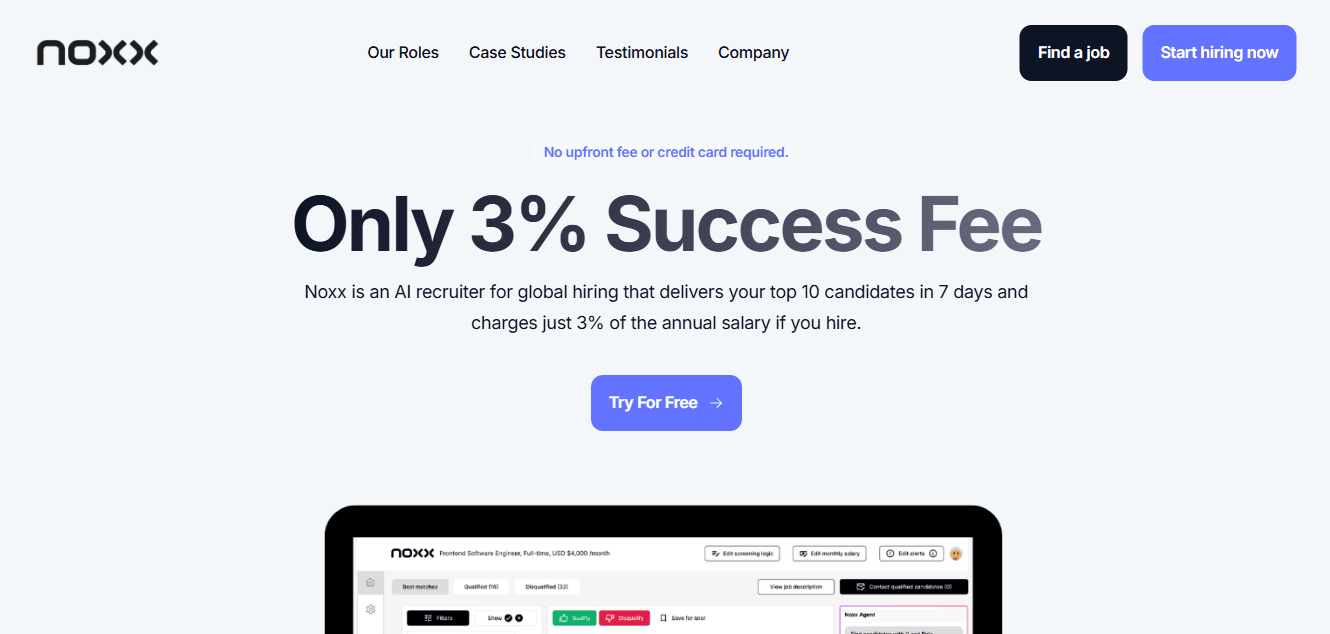
Hiring the right talent shouldn't take months or cost a fortune. Noxx's AI recruiter finds you the top 10 candidates in just 7 days by screening over 1,000 applicants automatically, shows salary expectations up front, and charges only on successful hires, which makes it a practical fast path for startups that need repeatable, measurable sourcing without agency overhead.
2. QI Tech
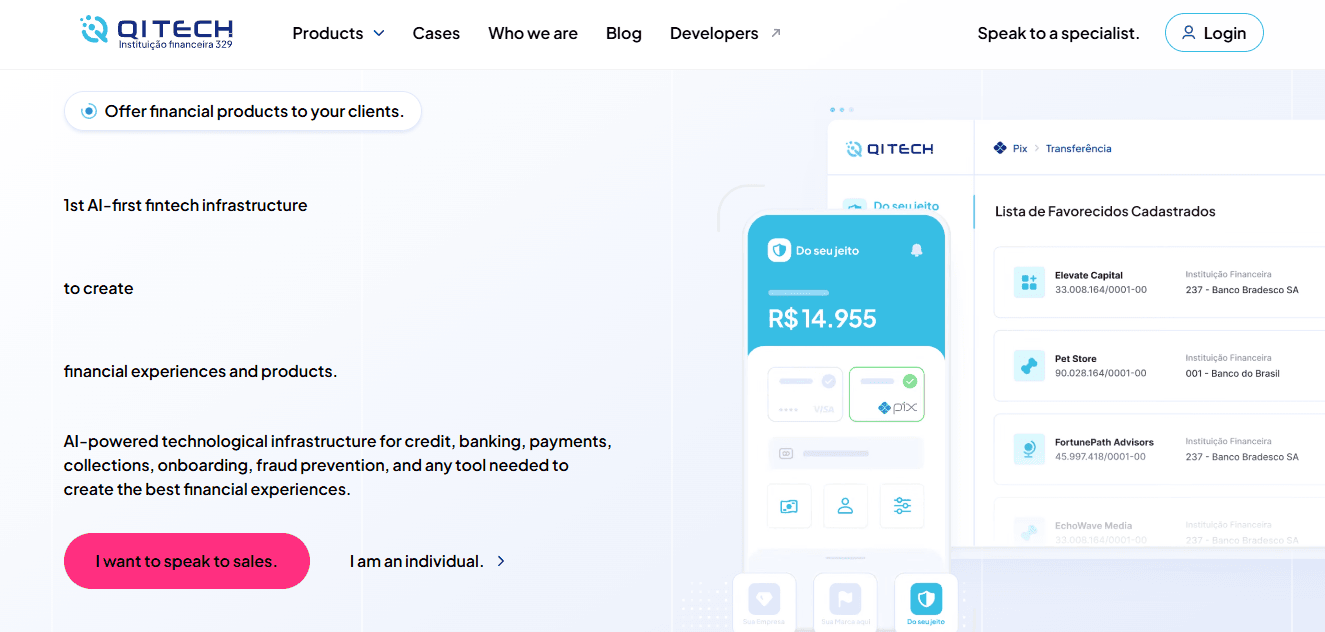
QI Tech builds fintech APIs that let nonbank companies embed credit and lending into their customer journeys. Its Lending-as-a-Service and Credit-as-a-Service products target payment platforms, mobility, and embedded finance use cases, and the team’s strengths are modular APIs and rapid go-to-market for partners like Unidas and 99 App.
3. NinjaOne
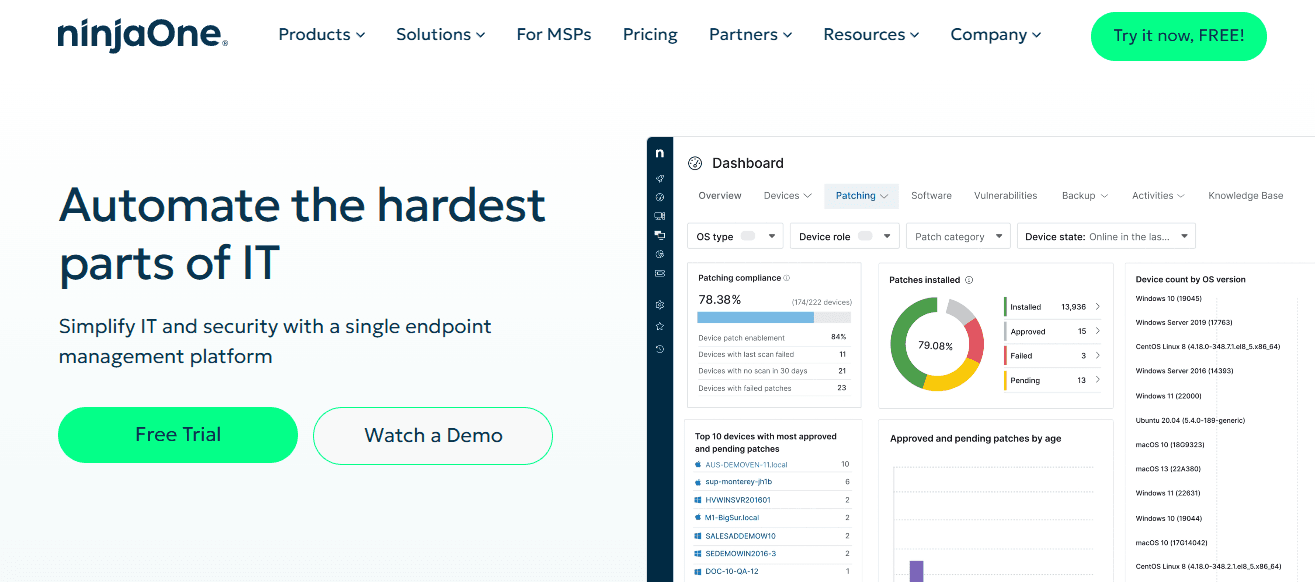
NinjaOne provides endpoint management and automation that simplifies device remediation and patching for managed services providers and internal IT teams. It sells to MSPs, mid-market IT departments, and security-conscious enterprises, with a notable strength in tight remote management workflows and clear visibility across thousands of endpoints.
4. Braze
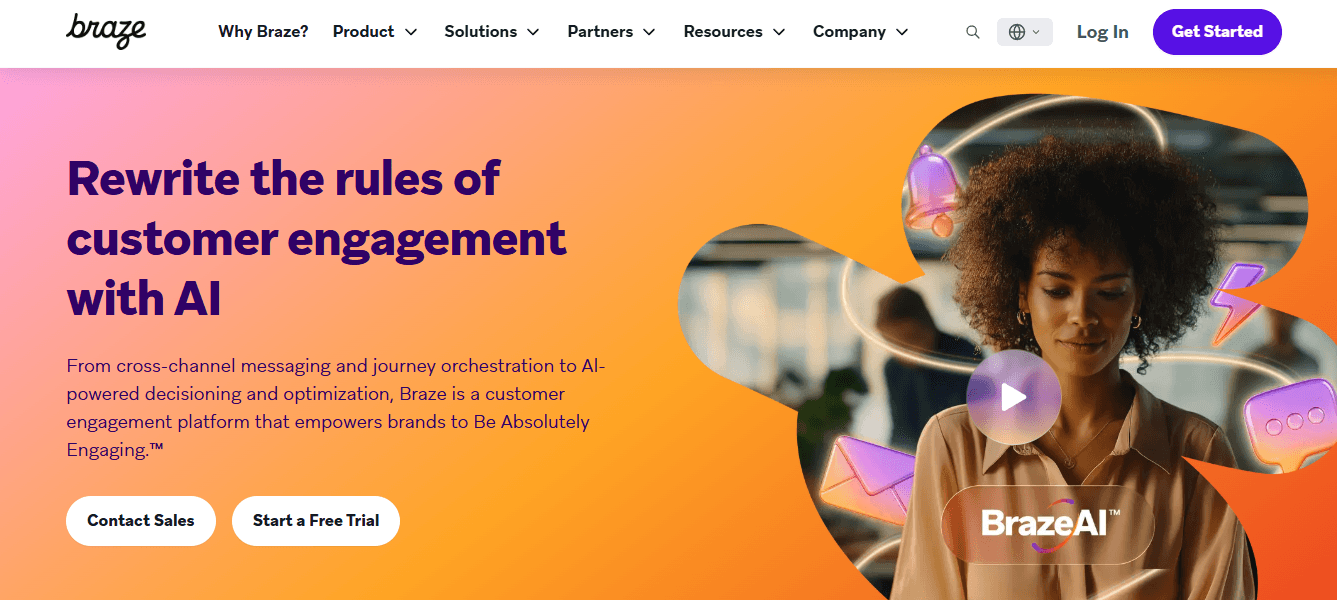
Braze is a customer engagement platform that powers multichannel campaigns and real-time personalization across retail, media, and consumer apps. Its strengths include AI-driven messaging optimization and integrations that let product and growth teams run lifecycle campaigns without heavy engineering lift.
5. ServiceNow
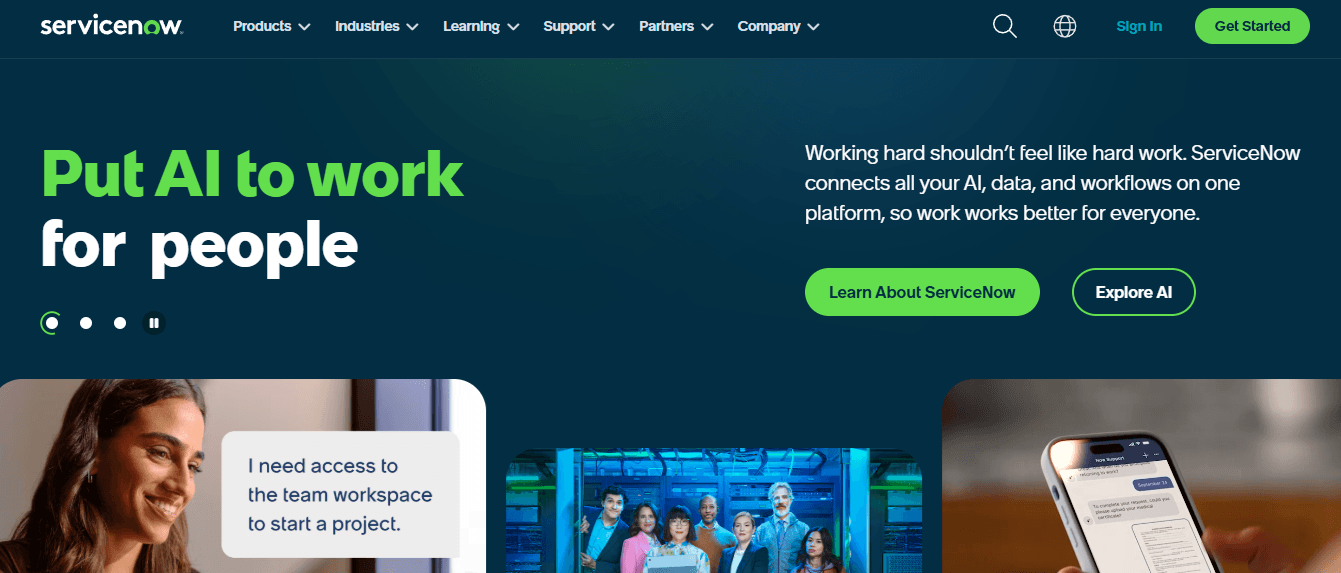
ServiceNow supplies workflow and service management for large enterprises, unifying work for:
IT
Customer workflows
Creators
HR
Its São Paulo office supports local rollouts, with strengths in enterprise-grade automation, auditability, and cross-departmental process governance.
6. Luby
Headquartered in São Paulo, Luby offers product-driven software engineering for finance, education, retail, and logistics clients across:
Brazil
U.S.
Europe
They scale delivery with senior squads capable of web, mobile, metaverse, and data work, which makes them useful when you need both product strategy and execution under one roof.
7. Teachable

Teachable runs a platform for creating and monetizing online courses, serving educators, coaches, and small businesses that want turnkey course infrastructure. Their focus is on payment flows, content management, and creator monetization, which frees subject matter experts from building their own learning stack.
One-Off Trials Fragment Quality Checks
Most teams handle vendor selection through proposals and one-off trials because it feels familiar and fast. As projects scale, those trials fragment across vendors, contracts, and inconsistent quality checks, which hides real cost in rework and onboarding time. Teams find that platforms such as Noxx centralize vetting, apply automated scoring across regional signals, and shorten decision cycles while preserving auditability, which reduces the friction that fragments hiring as complexity grows.
8. TecSinapse
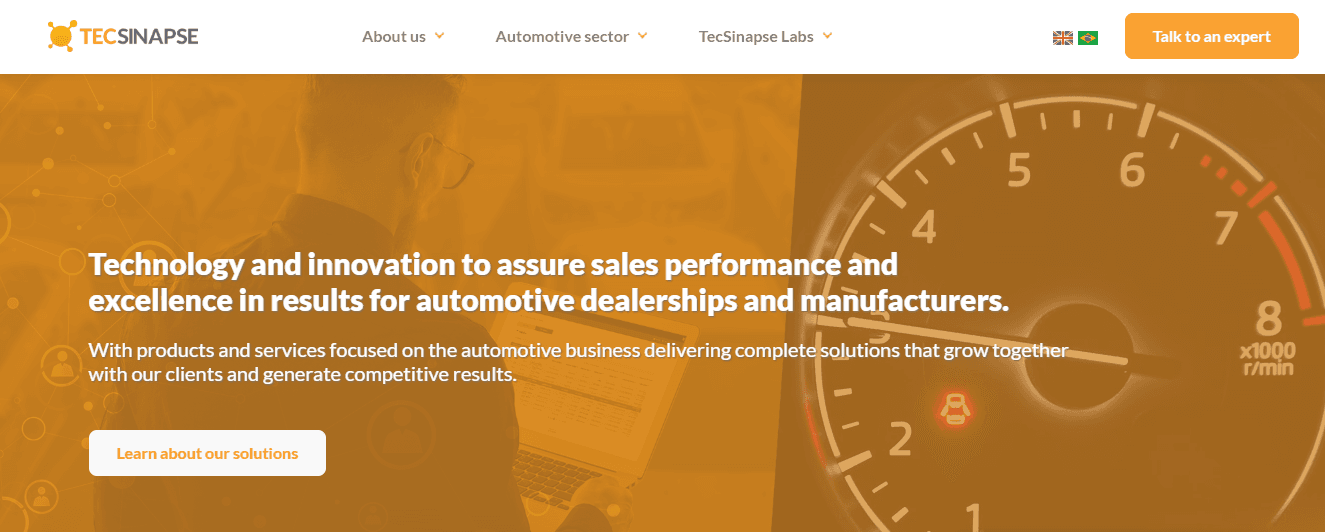
TecSinapse builds software for vehicle dealerships, combining sales and marketing platforms with AI features to streamline lead routing and inventory workflows. Their client list includes OEMs and dealer groups such as Nissan, Land Rover, and BMW, and their strength is domain-specific automation that reduces dealer friction.
9. Duda, Inc.
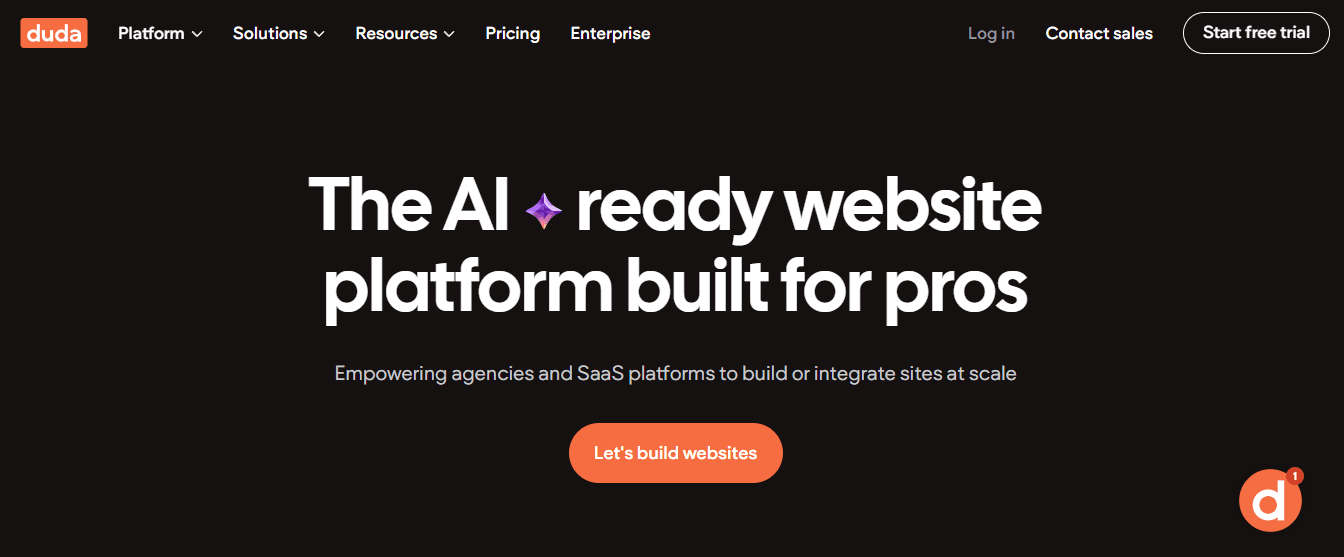
Duda provides a drag-and-drop web design platform targeted at agencies, professional designers, and embedded SaaS partners serving:
Real estate
Travel
Hospitality
It excels at white-label experiences and rapid, template-driven sites with built-in e-commerce and developer hooks.
10. Ubiminds
Ubiminds offers talent-as-a-service through a nearshore model, placing engineers and product talent with North and South American teams. In addition to development work, their consultants help with product strategy and compliance, which is valuable when you need people who can ship code and navigate data protection rules.
11. Adyen
Adyen supplies enterprise payment infrastructure and treasury tools to large merchants, handling transactions and financial reporting at scale. Their São Paulo office, their first regional expansion, reinforces local relationships and regulatory awareness, which helps multinational clients reconcile global payment flows with Brazilian finance rules.
12. Datadog
Datadog provides cloud monitoring, observability, and security tools that help engineering teams track performance across infrastructure and serverless services. Their presence in Brazil supports local sales and technical engagements, and they are especially useful for teams that need consolidated telemetry across microservices.
13. Cheesecake Labs
Cheesecake Labs delivers outsourced product engineering and has worked for clients such as PepsiCo and MoneyGram, building mobile apps, web platforms, and AI engines. For teams that need a blended product-and-execution partner, Cheesecake Labs combines design, engineering, and delivery governance in a single vendor relationship, and for budgeting. Keep in mind typical firm rates often fall in a wide band depending on quality; industry reference pricing indicates that hourly rates in Brazil typically range from $40 to $100, providing a useful benchmark for setting realistic expectations when evaluating proposals.
14. Dynatrace
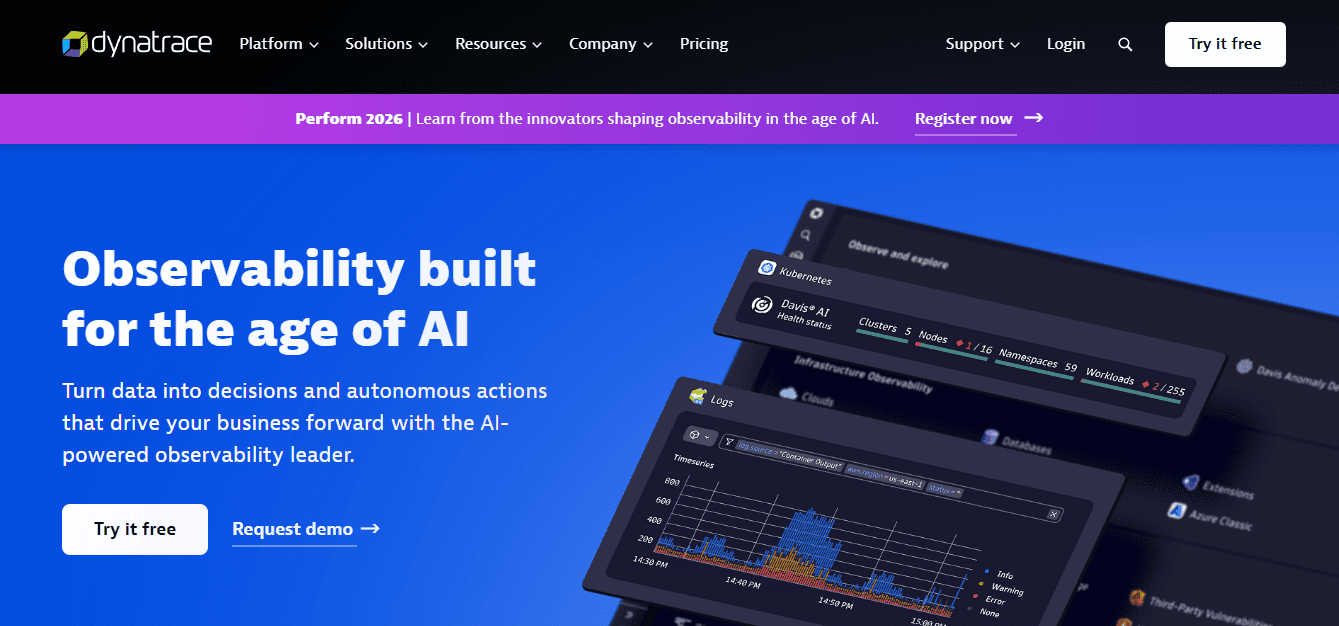
Dynatrace provides an observability platform that captures interaction data across applications and analyzes it for performance and user behavior. Their small São Paulo team focuses on sales, service engineering, and support, applying enterprise-grade monitoring that helps product teams avoid regression and maintain SLAs.
15. Mondelēz International

Mondelēz uses manufacturing technology and AI across its global snack business and operates in Brazil, with a São Paulo office that aligns supply chain and production with its digital transformation efforts. Their strength for engineers and data teams is demonstrating how large industrial firms apply machine learning to improve yield and enable predictive maintenance. These descriptions feel like checkboxes, but they matter because each choice you make about vendor, platform, or payroll changes how fast you ship and how predictable outcomes become. The next part reveals one move that makes those tradeoffs suddenly obvious and unavoidable.
Upload a Job and Get 10 Candidates within 7 Days with Noxx (No Risk, No Upfront Fees)
Most teams still rely on slow agencies and scattered sourcing when hiring for Software Development Brazil, and that hidden friction eats runway and clouds who will actually ship. If you want a low-risk test, I recommend running a single role through Noxx to compare locality-aware shortlists of Brazilian engineers and nearshore candidates against your current funnel, then scale the approach that proves cleaner to hire and easier to onboard.
Related Reading

Noxx is an AI recruiter for global hiring that delivers your top 10 candidates in 7 days and charges just 3% of the annual salary if you hire.