26 Best Offshore Software Development Firms for Expert Global Teams
Noxx Team

You have a product roadmap, a tight budget, and pressure to ship, yet hiring locally feels slow and expensive. Offshore Software Development can give you access to global talent, faster scaling, and cost savings. This article Hire Offshore Developers shows how to find a reliable offshore software development partner that delivers high-quality work, lowers hiring risk, and gives you access to expert engineers without months of trial and error.
To speed that search, Noxx's AI recruiter matches you with vetted remote developers and teams, aligning technical skills, communication style, time zone fit, and cultural match so you hire with confidence.
Table of Content
- What Is Offshore Software Development?
- Top 26 Offshore Software Development Partners
- Upload a Job and Get 10 Candidates within 7 Days with Noxx (No Risk, No Upfront Fees)
What Is Offshore Software Development?

Offshore software development involves hiring a software team from another country to design, build, and maintain digital products. Companies choose this model to reduce development costs, access specialist talent that is not available locally, and scale engineering capacity quickly.
The global offshore development market is projected to reach $151.9 billion in 2025 and grow to $389.7 billion by 2033, with a compound annual growth rate of 12.5%, a clear sign that organizations view offshore teams as a strategic means to enhance output and technical capabilities.
Cost Drives Much of This Adoption
Deloitte reports that 70% of companies cite cost reduction as the main reason for outsourcing offshore, while ISG finds that 92% of G2000 companies use IT outsourcing as part of their tech strategy. Which benefits matter most to your team: lower cost, faster time to market, or access to niche skills
How Offshore Development Centers Work: Setting Up a Dedicated Team Abroad
Many organizations set up a fully equipped office abroad called an offshore development centre. These dedicated development centres act like domestic R&D outposts: they provide a stable workspace, internal processes, and a local management layer that handles recruitment, payroll, and facilities.
The result is a distributed team that behaves like a single engineering unit, adopts your development stack, and follows your sprint cadence. When you partner with an offshore vendor, they can staff an entire product squad in weeks rather than months, reducing administration overhead and getting features into users’ hands faster.
Offshore Versus Nearshore, Onshore, and Outsourcing: Clear Definitions for Hiring Decisions
Offshoring builds long-term tech teams in a distant country, usually with a significant time zone gap, to tap talent and cost advantages. Nearshoring places those teams in a neighboring country with a minimal time zone difference to ease real-time collaboration.
Onshoring means setting up teams in your own country for direct oversight and immediate coordination. Outsourcing is a broader term that covers hiring external providers for specific projects or services and can be short-term or long-term. Choose based on priorities:
- Close time zones and cultural fit
- Lowest cost and a larger talent pool
Who Is Driving Demand and Where Does the Money Come From
Large enterprises generate 59.4% of the revenue in offshore software development, indicating that mission-critical and complex projects often go to offshore teams. North America contributes about $46.2 billion to the offshore market. It holds a 38.5% market share, indicating a significant reliance on outside development to solve talent shortages, skill gaps, and the need for round-the-clock support.
In the U.S., 54% of companies that outsource development choose India as their preferred destination. Those numbers explain why India, Eastern Europe, and Latin America compete aggressively for outsourcing business.
Is Offshore Software Development Ethical?
Offshore development is ethical when companies act responsibly. Concerns often focus on working conditions, fair pay, and job displacement. Many offshore vendors operate modern offices, follow labor regulations, and pay wages that reflect local living costs.
Ethical practice means transparent contracts, clear expectations, and vendor due diligence on working conditions and compliance. Ask how a vendor treats employees, what labor protections it follows, and how it safeguards intellectual property before you sign a contract.
Key Benefits: Why Organizations Move Work Offshore
- Lower development costs: Offshore salaries and operating expenses are often much lower than in Western tech hubs. For example, a software engineer in London has a median salary of about $121,802, while an equivalent role in India has a median salary of $30,903.
- Access to niche talent: Offshore destinations deliver specialists in AI, data science, full-stack development, and domain verticals like fintech.
- Scale quickly: Offshore partners can expand teams on demand, adding engineers in weeks instead of months.
- Less admin burden: Vendors can handle recruitment, payroll, benefits, and local compliance, so your leadership can focus on product and customers. Faster time to market: With larger talent pools and flexible engagement models, teams push features and fixes faster.
Who Offshore Developers Are and How They Fit Your Team
Offshore developers act as an extension of your in-house engineering staff. They join product squads, follow your CI CD pipelines, use the same collaboration tools, and remain assigned to your project full-time rather than juggling multiple clients.
They can bring domain-specific skills, quant developers for trading firms, ML engineers for AI features, or backend experts for scalable APIs. The best offshore teams are culturally aligned, committed to your roadmap, and integrated into your sprint routines so the working relationship feels seamless.
Who Should Hire Offshore Developers
Non-technical core businesses such as retail, hospitality, and manufacturing often need external software expertise to modernize customer-facing systems or build new digital products. Technical companies with internal engineering can leverage offshore developers to enhance niche skills or scale delivery for larger contracts. In practice, both startups building MVPs and enterprises running large platforms find offshore teams useful when local hiring is slow or prohibitively expensive.
Where to Hire Offshore Developers: Top Regions and Tradeoffs
Asia
India remains the most significant global IT offshoring hub with an estimated developer pool of over 5.2 million and an IT outsourcing market valued at $11.04 billion. Bangalore alone produces around 90,000 engineering graduates a year and hosts over one million developers.
Typical hourly rates range from $15 to $35. Popular languages include Python, Java, C #, and JavaScript, and English proficiency is moderate (EF EPI: 60th of 113). The Philippines offers strong English communication and business process strengths, but some regions face a tech talent shortage that affects developer quality and availability.
Eastern Europe
Countries such as Poland and Ukraine provide engineers with strong technical skills and a culture of engineering rigor. Time zone overlap with Western Europe and modest overlap with North America make real-time coordination easier. Eastern Europe suits teams that need high technical competence and shorter working hours for iterative product development.
Latin America
Colombia, Mexico, and Argentina are growing as nearshore options for North American companies. Cities such as Medellin, Mexico City, and Buenos Aires are building modern tech ecosystems and offer cultural affinity and similar time zones to the U.S. Some regions have lower English proficiency, which raises the need for communication practices and documentation to prevent misunderstandings.
Practical Considerations When Hiring Offshore Developers
Define the engagement model you need:
- Staff augmentation
- Dedicated development team
- Project-based contract
Conduct vendor due diligence to assess technical ability, security practices, turnover rates, and references. Include SLAs, IP ownership clauses, and data protection requirements in the contract.
Establish onboarding, code review, and CI/CD standards to ensure offshore developers seamlessly integrate into your delivery pipeline. Plan for time zone overlap zones, overlapping work hours, and clear escalation paths to keep issues from stalling delivery.
Recruitment Economics and Talent Availability You Should Track
Expect variable hourly rates and quality across countries and vendors. Track local supply metrics:
- Number of graduates per year
- Developer population
- Average salary benchmarks
The U.S. Bureau of Labor Statistics forecasts demand for roughly 170,000 developer positions annually through the decade, while India produces about 1.5 million engineering graduates per year. Those figures show where capacity exists and where competition for top talent will rise.
Managing Risk: Security, Quality, and Cultural Fit
Protect IP with contracts and technical controls such as role-based access, code escrow, and encrypted repositories. Conduct technical interviews, pair programming trials, and pilot engagements to validate quality. Invest in cultural bridging:
- Regular video stand-ups
- Shared documentation in plain English
- Rotating set of overlap hours
These practices lower rework, protect sensitive data, and keep delivery predictable.
Vendor Models That Make Offshore Work
Work with vendors that offer a range of engagement models:
- End-to-end product teams
- Dedicated developers embedded in your org
- Short-term project squads
A good offshore partner will handle recruitment, HR, office management, and local compliance while keeping you in control of the product backlog and technical direction. Ask vendors how they manage attrition, knowledge transfer, and client retention to understand their operational stability.
Common Pitfalls and How to Avoid Them
Hiring without clear acceptance criteria, neglecting due diligence, and skipping pilot projects are common mistakes. Underestimate communication needs at your peril:
- Document requirements
- Accept test cases
Automate deployments to reduce friction
Watch for vendors that underprice projects dramatically; low cost can mask poor processes or high turnover. Require code samples, architecture diagrams, and references before scaling engagement so quality risks stay visible.
Questions to Ask Yourself Before You Go Offshore
- What problem do you want solved: Talent shortage, cost reduction, or faster scaling?
- What time zone overlap do you need for real-time collaboration?
- How will you measure success and hold the partner accountable?
Answer these questions before starting vendor conversations to ensure you hire a team that aligns with your product goals and company values.
Related Reading
- Hire Offshore Developers
- How to Recruit Engineers
- Recruitment Process Outsourcing
- Recruitment Automation Trends
- How to Recruit Tech Talent
- Best Company Hiring Practices
- Types of Recruitment Agencies
- Benefits of Outsourcing Recruitment and Selection Process
- How to Recruit IT Talent
- Strategic Recruiting
- Top 10 Recruiting Apps
Top 26 Offshore Software Development Partners
1. Noxx
- Key services offered: AI recruiter screening, candidate shortlists, salary benchmarking, recruitment automation, and onboarding support
- Industries served: Software engineering, marketing, sales, growth, product
- Notable strengths: Rapid sourcing with automated screening across large applicant pools, transparent salary expectations, contingency pricing with no upfront fees
Standout Example
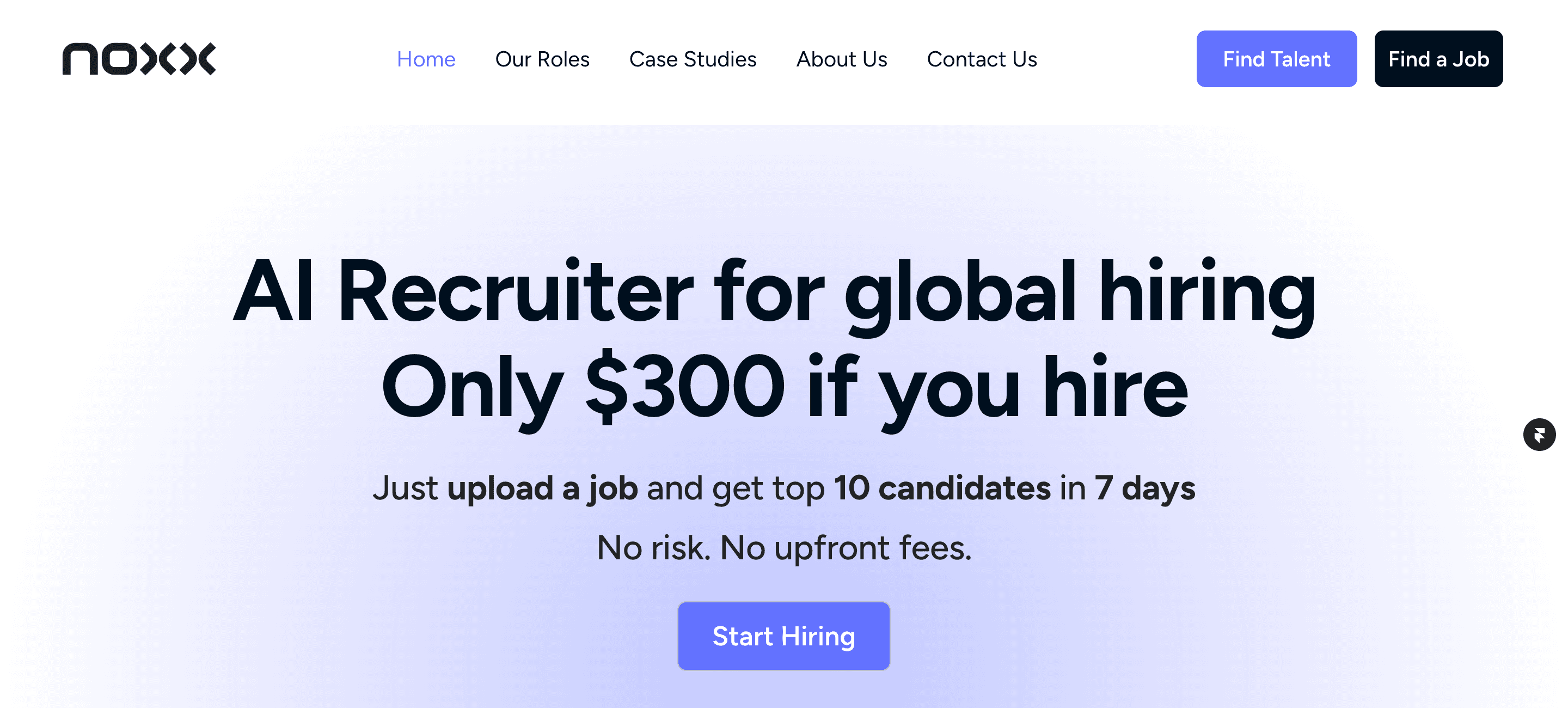
AI recruiter screens 1,000+ applicants and returns the top 10 candidates in seven days; you pay $300 only after you hire, avoiding recruiter retainers while sourcing vetted remote engineers and marketers at up to 70 percent below US rates
2. Near
- Key services offered: End-to-end hiring, pre-vetting, payroll and compliance management, nearshore staff augmentation, dedicated team placement
- Industries served: Finance, accounting, sales, software engineering, AI and data, design, marketing, operations, and virtual assistance.
- Notable strengths: Fast candidate lists in three days, hires completed in under three weeks, deep LatAm talent pool, and time zone alignment for real-time collaboration
Standout Example
Helped Rankings.io cut $282K in annual costs by filling critical roles with dedicated Latin American engineers who joined client standups and followed internal processes
3. ScienceSoft
- Key services offered: Custom software development, QA and testing, data analytics, BI, IT consulting, project management
- Industries served: Healthcare, banking, retail, manufacturing, telecom
- Notable strengths: Selective hiring with a roughly two percent pass rate, strong project management discipline, ISO 9001 and 27001 certifications
Standout Example
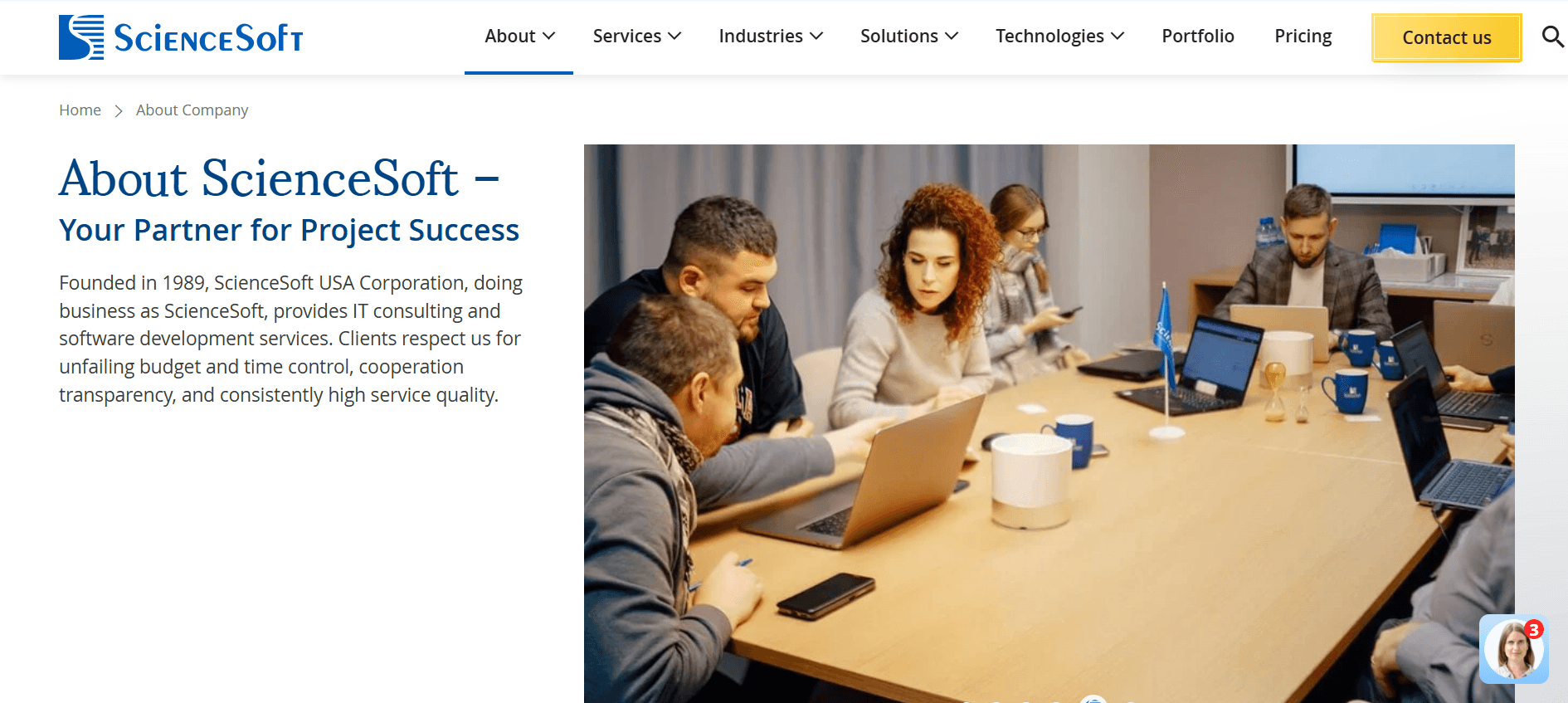
Operates a Texas-based delivery model with European engineering centers that deliver US-style communication and project governance at roughly half domestic cost
4. Toptal

- Key services offered: Freelance software engineers, architects, designers, product managers, and interim CTOs
- Industries served: Startups, fintech, enterprise software, SaaS, e-commerce.
- Notable strengths: Rigorous screening, limiting the network to the top three percent, fast matching, and high-quality independent contractors for short-term and long-term engagements.
Standout Example
Matches senior engineers and specialists on demand for remote contract work, enabling rapid team scaling without full-time hiring overhead.
5. AssureSoft

- Key services offered: Custom software engineering, maintenance, QA, product support, legacy modernization.
- Industries served: Healthcare, logistics, fintech, and retail.
- Notable strengths: Emphasis on reliability, systems engineering discipline, and long-term support agreements for continuous delivery.
Standout Example
Focuses on test-driven development and continuous QA to reduce production incidents during cloud migrations
6. EPAM Systems

- Key services offered: Full life cycle software development, digital transformation, platform engineering, cloud, and DevOps.
- Industries served: Finance, healthcare, retail, travel, media.
- Notable strengths: Global delivery network, deep engineering talent for enterprise-grade systems, focus on platform scale and resilience.
Standout Example
Leads large distributed development programs, integrating legacy systems with modern microservices and CI CD pipelines.
7. JalaSoft

- Key services offered: Software development, QA automation, performance testing, and managed QA teams.
- Industries served: SaaS, ecommerce, telecom, finance.
- Notable strengths: Strong QA capability, disciplined test automation, dependable release engineering.
Standout Example
Provides dedicated QA squads that plug into client sprint cycles to lower regression risk during frequent releases
8. Infopulse

- Key services offered: Software engineering, cloud services, managed services, cybersecurity, and digital transformation.
- Industries served: Energy, finance, telecom, manufacturing, and healthcare.
- Notable strengths: Client-centric account models, emphasis on trust and strategic planning, cross-functional teams.
Standout Example
Works as an extension of client IT organizations, handling both feature delivery and operational support across multiple time zones.
9. Luxoft.

- Key services offered: Agile software development, system modernization, UX engineering, data and analytics.
- Industries served: Automotive, financial services, healthcare, telecom.
- Notable strengths: Transformation programs at enterprise scale, focus on performance, and future readiness.
Standout Example
Orchestrates end-to-end modernization for legacy platforms, delivering improved throughput and reduced technical debt.
10. Globant

- Key services offered: Product engineering, digital strategy, experience design, and AI-enabled solutions.
- Industries served: Media, banking, travel, retail, and healthcare.
- Notable strengths: End-to-end product focus, multi-disciplinary squads that combine design and engineering, strong digital strategy capability.
Standout Example
Creates cross-functional teams that embed innovation practices into product roadmaps and delivery cadence
11. Andela

- Key services offered: Remote developer placement, training and upskilling, team augmentation
- Industries served: Startups, enterprise software, fintech, education tech
- Notable strengths: Large pool of vetted African engineers, focus on skill development, and long-term placements
Standout Example
Places developers into full-time remote roles where they integrate with global engineering teams and maintain career growth plans.
12. Tata Consultancy Services (TCS)
- Key services offered: Systems integration, custom software, managed services, consulting, and cloud services.
- Industries served: Banking, insurance, retail, manufacturing, and government.
- Notable strengths: Massive delivery scale, global account management, mature processes for large program governance.
Standout Example
Runs multi-year outsourcing engagements that include development, operations, and compliance across regulated industries
13. HCL Global Systems
- Key services offered: IT services, engineering R D, infrastructure, digital transformation.
- Industries served: Telecom, healthcare, financial services, manufacturing.
- Notable strengths: Strong client focus, solution engineering, and end-to-end service offerings for complex environments.
Standout Example
Embeds engineering and operations teams to accelerate cloud adoption and improve time to market.
14. ParallelStaff
- Key services offered: Nearshore recruitment, staff augmentation, and dedicated development teams.
- Industries served: SaaS, ecommerce, healthcare, fintech.
- Notable strengths: Nearshore proximity, English-proficient engineers, cultural fit with US processes.
Standout Example
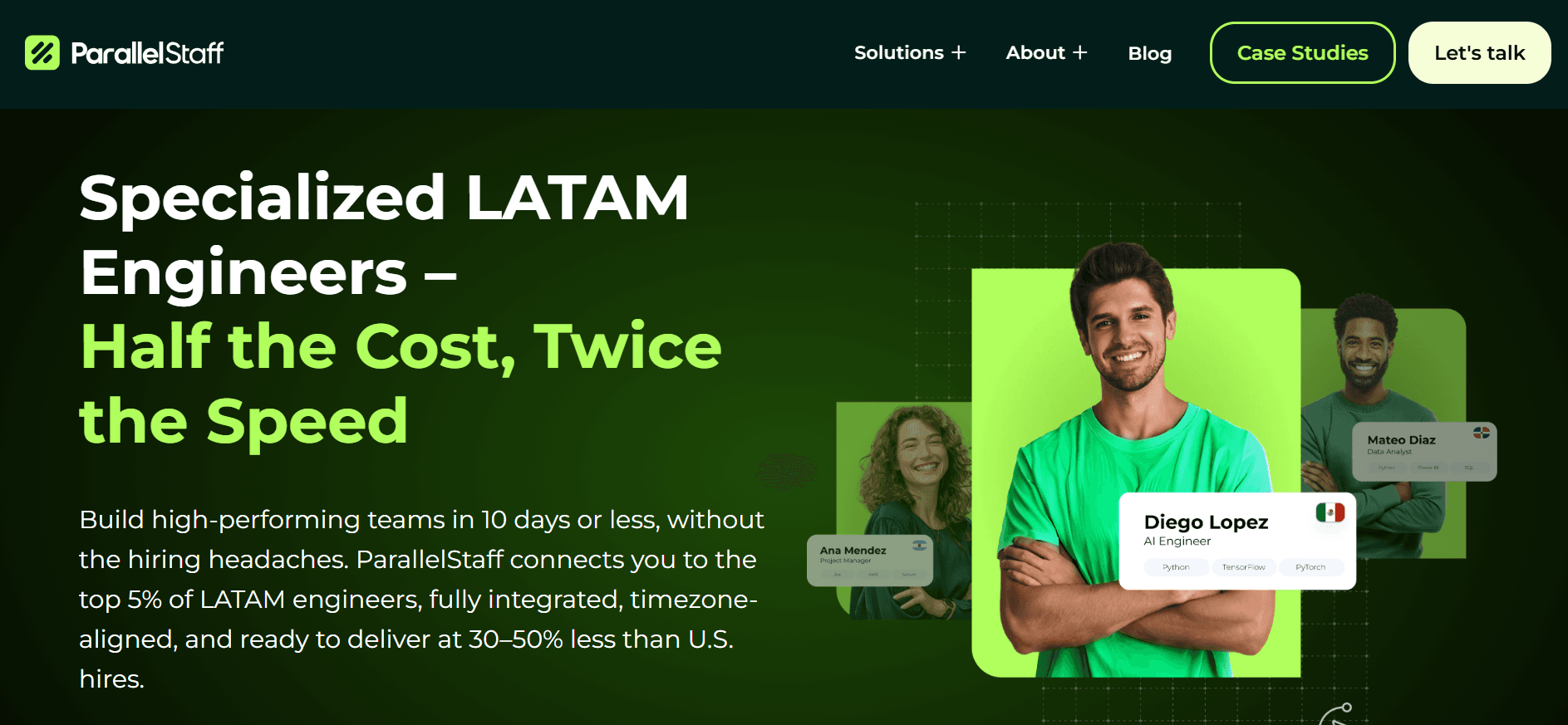
Places Latin American developers who work overlapping hours with US teams, improving sprint velocity and reducing coordination lag
15. DataAr
- Key services offered: Custom software development, consulting, data engineering, cloud, and IoT.
- Industries served: Travel, fintech, healthcare, media.
- Notable strengths: Domain-driven delivery, cross-functional engineering teams, emphasis on scalable architecture.
Standout Example
Builds bespoke platforms that combine data pipelines and user experience to support business growth metrics.
16. ValueCoders
- Key services offered: Web and mobile app development, product engineering, staff augmentation
- Industries served: Startups, SMBs, enterprises across multiple verticals
- Notable strengths: Cost-effective offshore teams, flexible engagement models, broad technology coverage
Standout Example
Provides offshore squads that handle end-to-end mobile development from prototyping to app store release
17. SoftServe

- Key services offered: Software development, cloud engineering, AI and analytics, product design
- Industries served: Healthcare, retail, financial services, energy
- Notable strengths: Combines design thinking with engineering, strong AI and data practice, and enterprise experience
Standout Example
Runs product-focused teams that integrate UX research, data models, and engineering to speed iterative releases.
18. Persistent Systems

- Key services offered: Product engineering, cloud transformation, digital modernization, DevOps.
- Industries served: Healthcare, finance, software product companies, telecom.
- Notable strengths: Emphasis on long-term delivery, process maturity, and steady collaboration with client product teams.
Standout Example
Supports continuous product evolution through steady sprint-based delivery and operational handoffs
19. Mindtree
- Key services offered: Digital transformation, custom development, cloud and integration, QA
- Industries served: Retail, banking, manufacturing, travel
- Notable strengths: Nimble teams, client-centric agile practices, rapid prototyping, and MVP delivery
Standout Example
Assembles compact agile squads to deliver minimum viable products and iterate quickly with client feedback
20. BairesDev

- Key services offered: Software development, dedicated teams, staff augmentation, and product engineering.
- Industries served: SaaS, healthcare, fintech, enterprise IT.
- Notable strengths: Large LatAm talent pool, end-to-end delivery, bilingual engineering teams.
Standout Example
Delivers nearshore teams that work US hours and own complete feature cycles from backlog to production
21. L&T Technology Services
- Key services offered: Embedded systems, product engineering, IoT, mechanical and software engineering.
- Industries served: Industrial, automotive, energy, and healthcare.
- Notable strengths: Hardware software integration expertise, engineering R D depth, industry-specific certifications.
Standout Example
Executes complex embedded software projects that require close hardware collaboration and systems testing
22. Azumo
- Key services offered: Nearshore software development, product engineering, QA, and UX.
- Industries served: SaaS, healthcare, finance, education tech.
- Notable strengths: Small to mid-market focus, predictable nearshore delivery, emphasis on clean code and process.
Standout Example
Provides dedicated nearshore teams that deliver backend APIs and customer-facing interfaces with consistent code quality.
23. Vofox Solutions Inc.

- Key services offered: Custom software development, QA, mobile apps, cloud services
- Industries served: Healthcare, finance, logistics, retail
- Notable strengths: Focus on trust, transparent processes, strong client communication for remote work
Standout Example
Builds long-term client relationships with clear SLAs and regular sprint demos that maintain stakeholder confidence
24. ELEKS

- Key services offered: Software engineering, enterprise mobility, data engineering, and digital transformation.
- Industries served: Financial services, healthcare, logistics, and manufacturing.
- Notable strengths: Broad service portfolio, experience with enterprise-scale systems, consultancy-led engagement.
Standout Example
Partners with product teams to modernize legacy systems and introduce data-driven features into production
25. Orion Innovation

- Key services offered: Digital transformation, cloud adoption, application development, data engineering.
- Industries served: Retail, CPG, manufacturing, telecom.
- Notable strengths: Strong engineering focus on practical digital adoption, project-driven teams tailored to business KPIs.
Standout Example
Implements data platforms and integrates analytics into operational workflows to improve decision-making.
26. Endava

- Key services offered: Agile software engineering, managed delivery, cloud and automation, and product development.
- Industries served: Financial services, payments, media, and retail.
- Notable strengths: Combines global scale with local delivery pods, intense agile coaching, and continuous delivery practices.
Standout Example
Uses colocated and distributed squads that accelerate feature throughput while enforcing quality gates and automated testing.
Related Reading
- Best AI Recruiting Tools
- Best Recruitment Agencies for Startups
- How to Hire for a Startup
- How to Attract Top Talent
- How to Find a Developer for Your Startup
- Where to Hire Developers
- Hire Latin American Developers
- Nearshore Software Development
- Software Development Recruitment Agencies
Upload a Job and Get 10 Candidates within 7 Days with Noxx (No Risk, No Upfront Fees)
Noxx uses an AI recruiter that screens more than 1,000 applicants automatically and surfaces the top 10 candidates in just seven days. You upload your job description, set must-haves and nice-to-haves, and the system runs technical assessments, resume matching, and soft skill filters. The result is a short list you can interview right away while the AI keeps sourcing until you hire.